

TB-001: HP Z2 G4/G5 Rear Cooling & Thermal Validation
CleanSpec Lab Technical Brief
Document: TB-001
Revision: 1.0
Initially Published: June 2026
Status: Current
Introduction
The HP Z2 G4 and HP Z2 G5 Small Form Factor (SFF) workstations are capable professional systems supporting Intel Core and Xeon processors with thermal design power (TDP) ratings of up to 125 watts. While higher-performance factory configurations included a rear chassis exhaust fan, many systems were shipped without one despite the chassis providing provisions for its installation.
During refurbishment of multiple HP Z2 workstations, CleanSpec Lab observed elevated processor temperatures under sustained synthetic workloads and questioned whether the absence of a rear exhaust fan significantly affected cooling performance.
This Technical Brief documents the initial phase of that investigation using multiple HP Z2 G5 workstations. The testing also served as the engineering basis for the development of the CleanSpec Lab rear chassis fan mounting solution.
This document represents the first revision of an ongoing thermal validation project. Future revisions will incorporate additional HP Z2 G4 testing and expanded datasets.
Objective
The purpose of this investigation was to determine:
Whether installing a rear chassis exhaust fan improves processor cooling.
Whether fan selection significantly affects cooling performance.
Whether an engineered aftermarket mounting solution can provide reliable cooling comparable to factory-equipped systems.
Whether the results justify standardizing rear exhaust fans on applicable CleanSpec Lab workstation refurbishments.
Test Platform
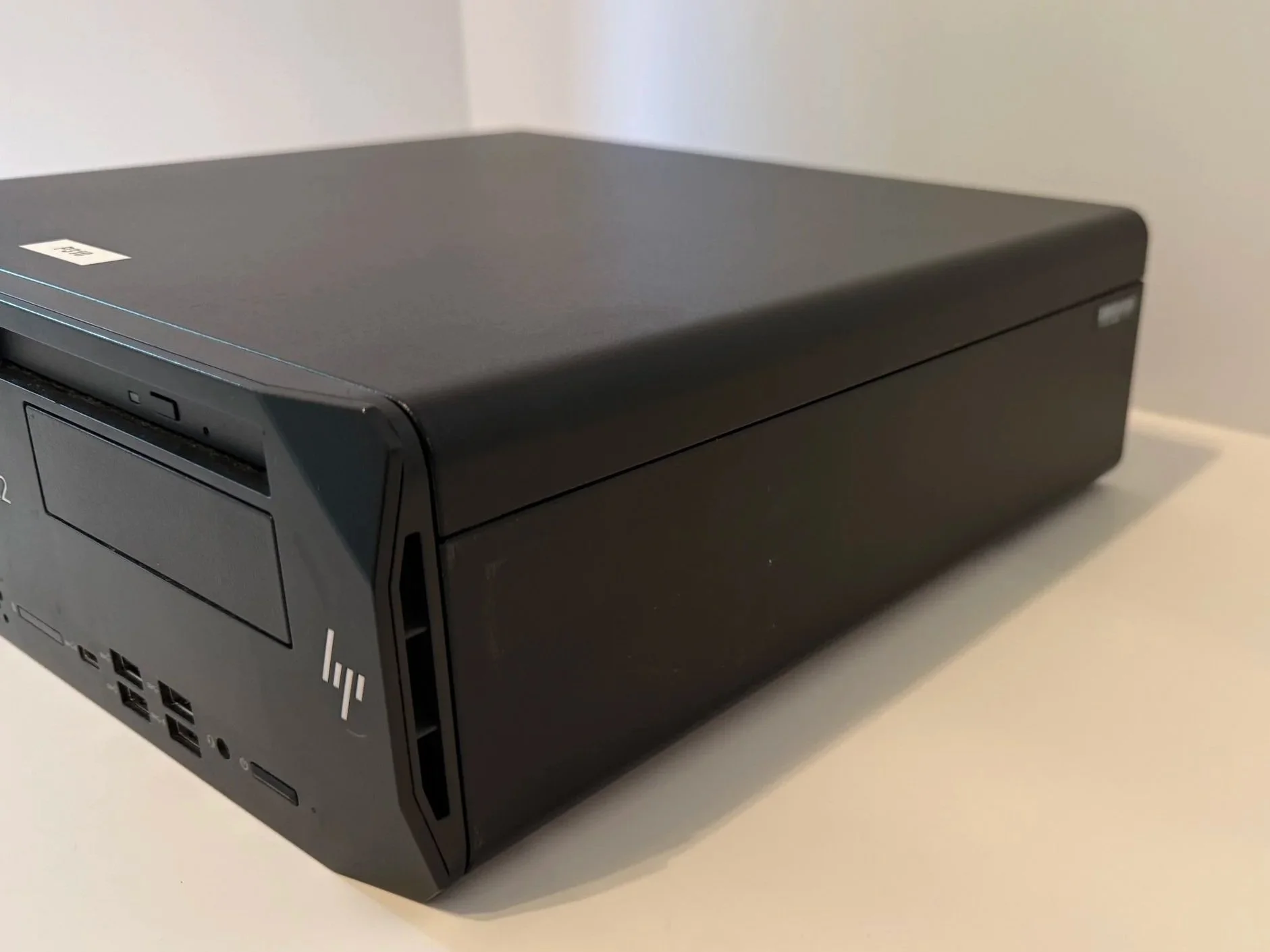
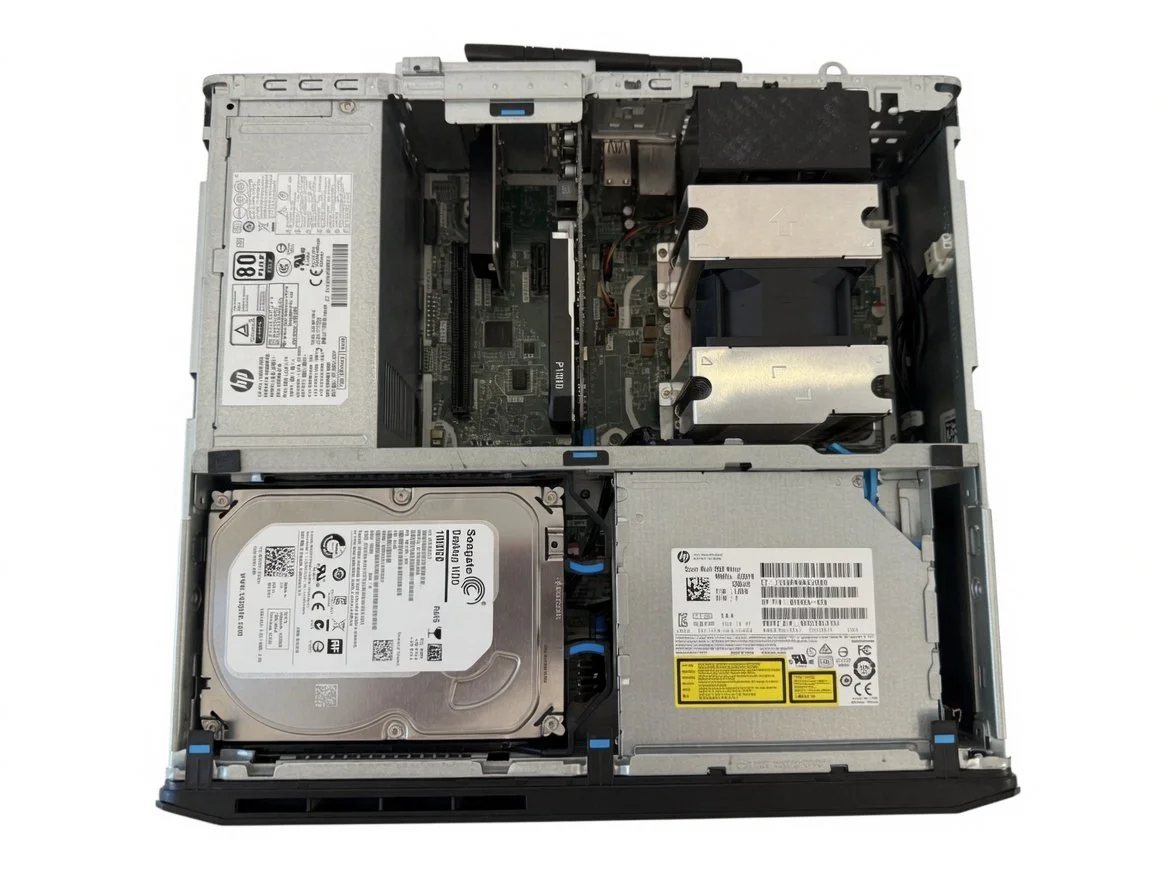
HP Z2 G5 Small Form Factor
Did you know?
The HP Z2 G5 SFF supports processors up to the 125W Intel Xeon W-1290P in a chassis just over 13 liters in volume—packing workstation-class performance into a remarkably compact footprint.
Initial testing was performed using multiple HP Z2 G5 Small Form Factor workstations configured with Intel Xeon W-1250 processors.
During testing, systems were configured with:
HP Z2 G5 Small Form Factor chassis
Intel Xeon W-1250 processor
HP 125W performance CPU cooler
Fresh thermal compound
Windows 11 Pro
OCCT Stability Test
Ambient room temperature
Identical system configuration except for rear exhaust fan configuration
Test Methodology
Each configuration was evaluated using the OCCT CPU Stability Test under sustained full processor load.
To ensure meaningful comparisons:
The same workstation configuration was maintained whenever practical.
Thermal compound condition was verified before testing.
Systems were allowed to return to idle temperature before each run.
Maximum core temperature was monitored throughout each test.
Observations included both thermal performance and overall system stability.
The objective was not simply to record peak temperatures, but to evaluate the cooling system under conditions exceeding typical real-world workloads.
Rear Exhaust Configurations Evaluated
The following configurations were evaluated during initial testing:
Configuration A
No rear chassis exhaust fan installed.
Configuration B
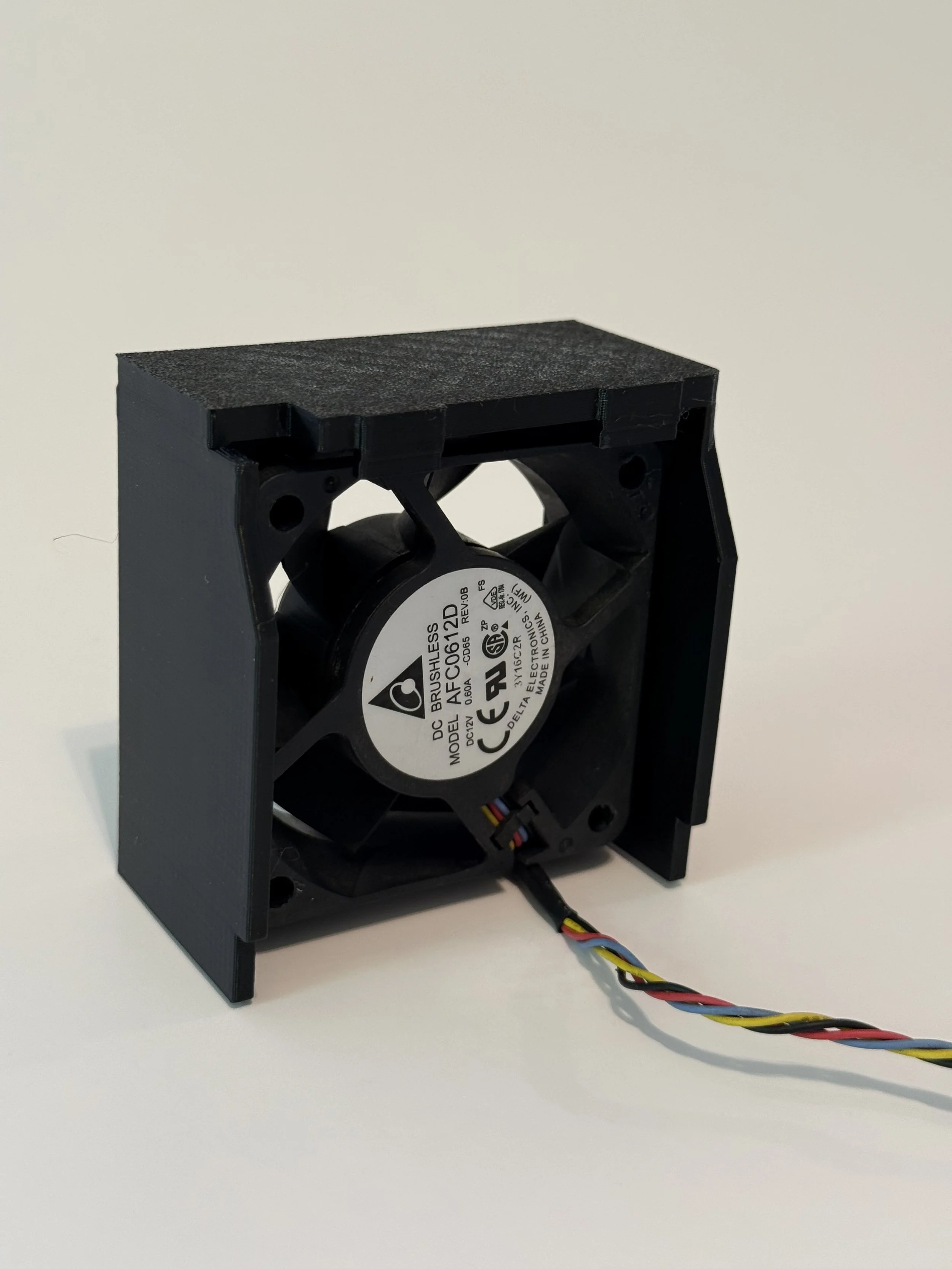
Noctua 60 mm PWM rear exhaust fan installed using the CleanSpec Lab engineered mounting system.
Configuration C
Delta 60 mm PWM rear exhaust fan installed using the CleanSpec Lab engineered mounting system.
Additional testing will be incorporated into future revisions as more configurations become available.
Initial Observations
Several observations became apparent during testing.
First, the addition of a rear exhaust fan produced an immediate reduction in processor operating temperatures compared to systems without rear exhaust airflow.
Second, once adequate rear airflow was established, fan manufacturer had less influence on thermal performance than initially expected. While measurable differences existed, they were considerably smaller than the difference between having no rear exhaust fan and having one installed.
This suggests that establishing proper airflow through the chassis is substantially more important than selecting a specific premium fan.
Engineering Development
Factory rear fan assemblies for HP Z2 workstations are difficult to obtain and are frequently unavailable on the secondary market.
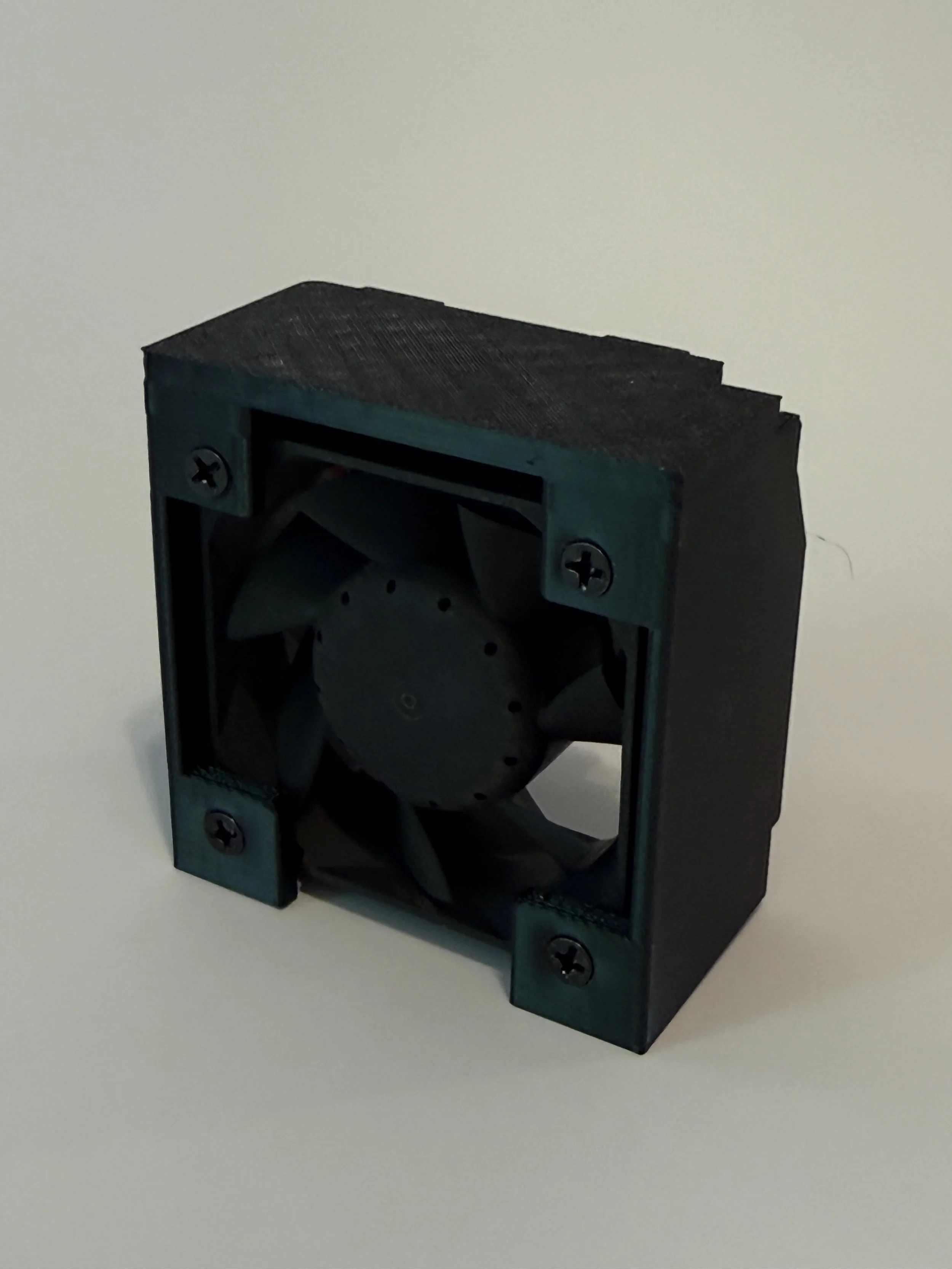
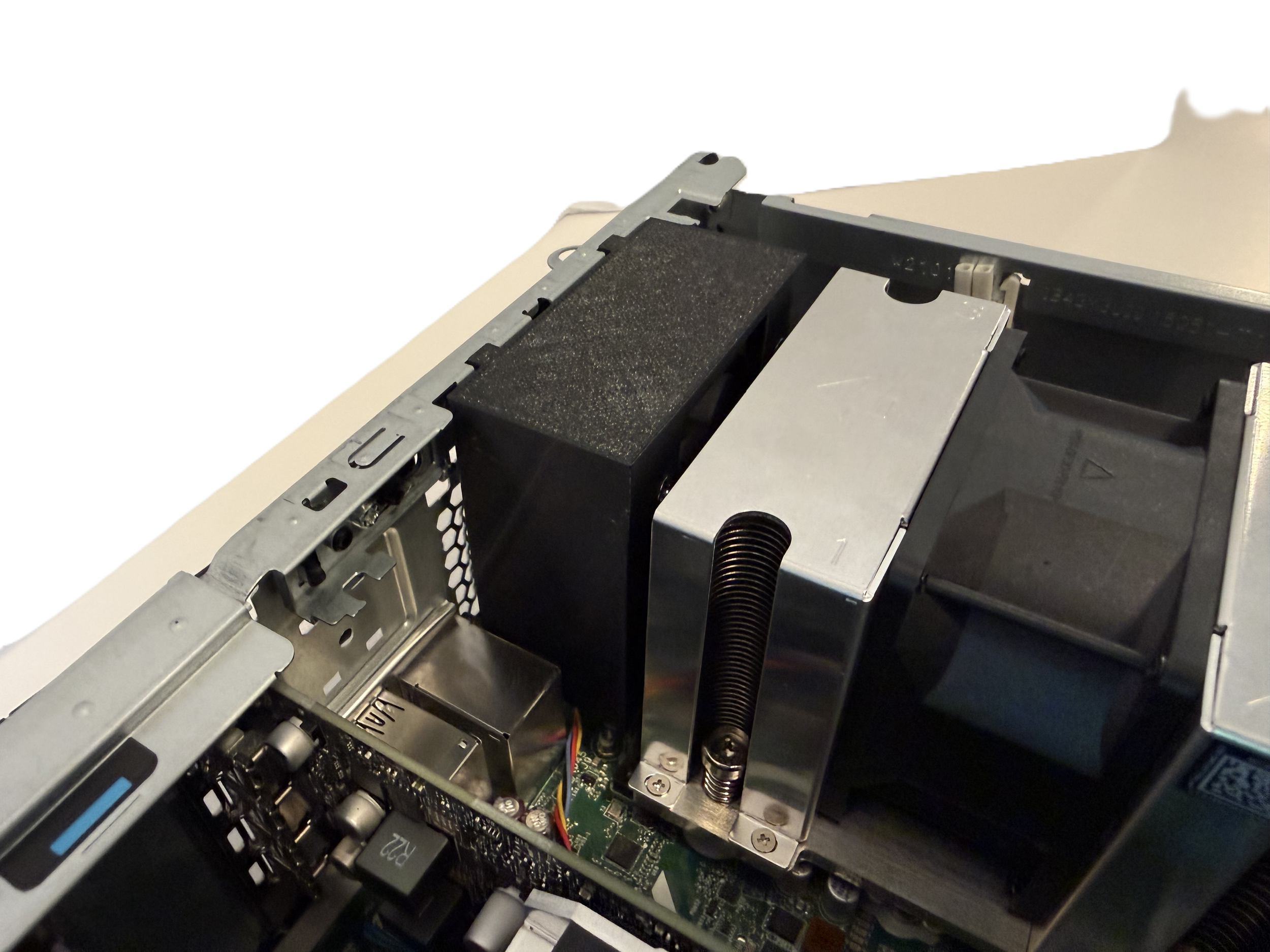
To address this limitation, CleanSpec Lab designed an engineered rear fan mounting system that:
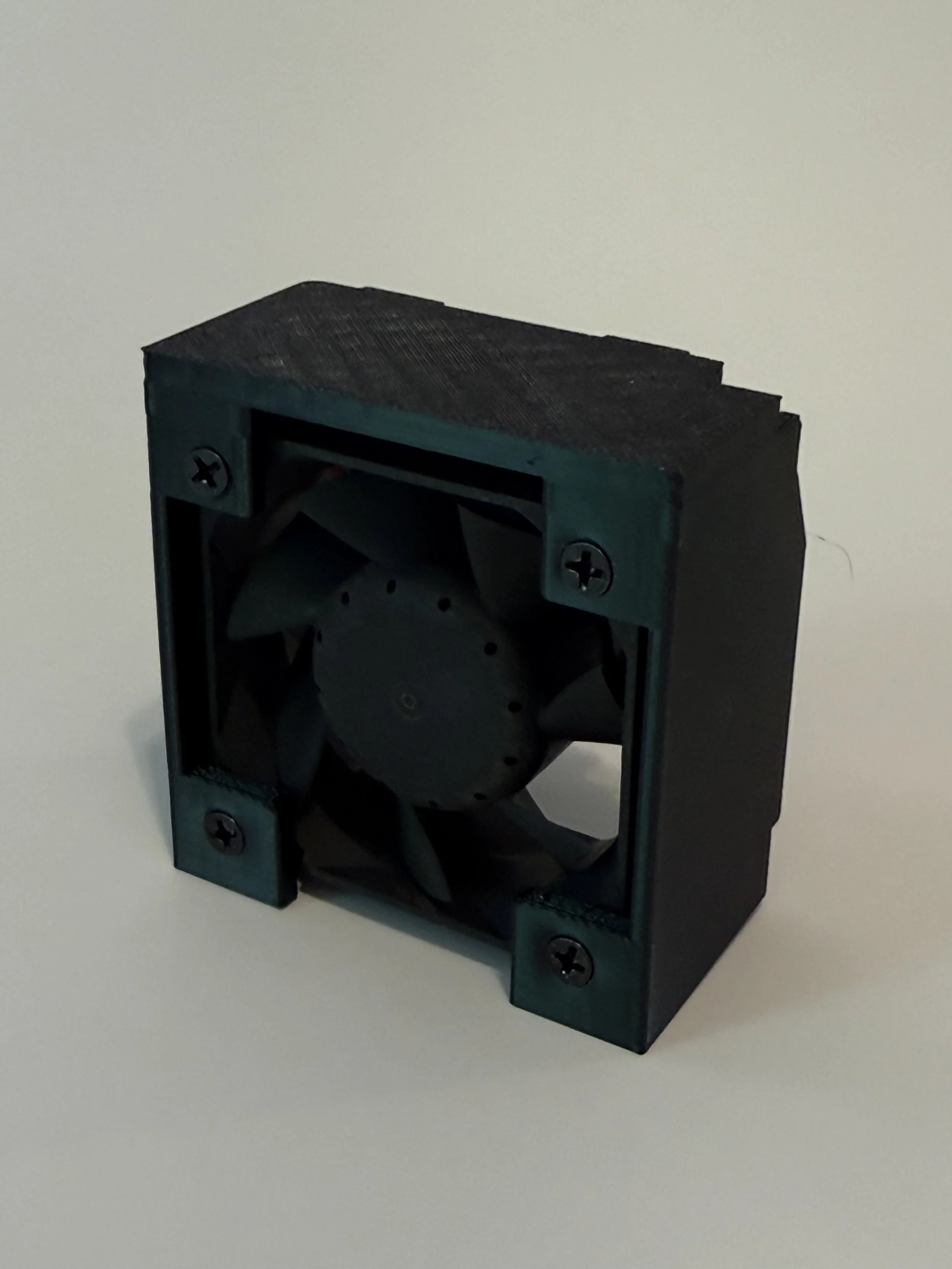
CSL-001 RevA
HP Z2 G5 SFF Rear Chassis Fan Adapter
Uses commonly available 60 mm PWM fans.
Mounts securely within the factory chassis.
Preserves serviceability.
Provides airflow characteristics comparable to factory configurations.
The mounting solution was developed specifically to improve thermal performance while maintaining a clean, professional installation suitable for refurbished systems.
Conclusions
Based on initial testing of the HP Z2 G5 platform, CleanSpec Lab concludes:
Rear chassis exhaust airflow provides a meaningful improvement in processor cooling.
Systems equipped with higher-performance processors benefit from rear exhaust airflow during sustained workloads.
Fan presence is more significant than fan brand when comparable airflow characteristics are maintained.
An engineered aftermarket mounting solution provides an effective alternative when factory hardware is unavailable.
These findings established the internal refurbishment standard used for applicable CleanSpec Lab HP Z2 workstation builds.
Current Refurbishment Standard
Where appropriate for system configuration, applicable HP Z2 workstations refurbished by CleanSpec Lab are equipped with a rear chassis exhaust fan using the CleanSpec Lab engineered mounting solution.
Systems incorporating this modification are individually tested, validated, and documented prior to sale.
Future Work
This investigation is ongoing.
Future revisions of this Technical Brief will include:
HP Z2 G4 thermal validation
Expanded comparison testing
Additional fan configurations
Long-duration stability testing
Thermal performance tables and graphs
Updated engineering conclusions as additional data becomes available
Document Control
Document: CSL-001
Revision: 1.0
Approved by: CleanSpec Lab
Supersedes: None
© 2026 CleanSpec Lab. This document may be referenced with attribution.
